Trezor.io/start – Comprehensive Guide to Starting Your Trezor Wallet
Managing cryptocurrencies securely requires a hardware wallet that keeps your private keys offline. Trezor devices provide one of the safest ways to store digital assets. The Trezor.io/start portal is the official starting point for setting up, accessing, and managing your Trezor wallet.
This guide provides a complete walkthrough of Trezor.io/start, including setup, security practices, wallet management, and troubleshooting for both beginners and advanced users.
What Is Trezor.io/start?
Trezor.io/start is the official platform for initializing and managing your Trezor wallet. It allows users to:
Set up a new wallet safely
Install or update firmware
Configure PINs and optional passphrases
Connect the hardware wallet to Trezor Suite or supported web applications
By using Trezor.io/start, users ensure that they are interacting with a verified, secure source, avoiding phishing scams and malware.
Why Trezor.io/start Is Important
Starting through Trezor.io/start is critical because it:
Ensures Software Authenticity: Only official software downloads are provided.
Guides New Users: Step-by-step instructions help beginners navigate wallet setup.
Enhances Security: Firmware updates and device verification are handled securely.
Provides Wallet Access: Safely links your hardware device to Trezor Suite or web wallets.
By using Trezor.io/start, you reduce the risk of compromised wallets or stolen funds.
Supported Trezor Devices
Trezor.io/start supports all Trezor hardware wallets:
Trezor One: Compact, button-operated wallet supporting over 1,000 cryptocurrencies.
Trezor Model T: Premium touchscreen device with additional features, faster operation, and passphrase-protected hidden wallets.
The portal tailors instructions based on your device model for a smooth setup experience.
Step 1: Verify Your Device
Before starting:
Check the packaging for tampering.
Inspect the holographic seal to ensure authenticity.
Only purchase devices from official Trezor channels or trusted resellers.
Authenticity verification is critical to prevent fake hardware devices.
Step 2: Access the Portal
Open a secure browser and navigate to https://trezor.io/start.
Select your Trezor model.
Download Trezor Suite, the official desktop or web application for managing your wallet.
This ensures a secure and verified setup process.
Step 3: Install and Open Trezor Suite
Run the installer and follow instructions.
Connect your Trezor device to your computer.
Launch Trezor Suite to begin wallet initialization.
Trezor Suite is the central hub for all wallet operations and account management.
Step 4: Update Firmware
Firmware updates are crucial for security:
Trezor Suite automatically detects updates.
Follow the prompts to update your device.
Confirm updates directly on your Trezor device.
Regular firmware updates patch vulnerabilities and ensure smooth functionality.
Step 5: Create a New Wallet
To start using your device:
Select “Create New Wallet” in Trezor Suite.
Write down the 24-word recovery seed carefully.
Store the seed securely offline, preferably in fireproof or waterproof storage.
The recovery seed is the only way to restore your wallet if your device is lost or damaged.
Step 6: Set a PIN
A PIN adds the first layer of protection:
Choose a unique PIN on the device.
Confirm by re-entering it.
Use the randomized on-screen keypad to prevent keylogging.
A strong PIN prevents unauthorized access to your funds.
Step 7: Optional Passphrase
For additional security:
Add a passphrase to create a hidden wallet.
Functions as an extra word to your recovery seed.
Must be remembered; losing it results in permanent loss of that wallet.
Passphrases are recommended for storing significant cryptocurrency amounts.
Step 8: Connect to Trezor Suite or Web Wallets
Open Trezor Suite or a compatible web application.
Connect your Trezor device via USB or mobile adapter.
Enter your PIN (and passphrase if used) to access accounts.
All actions require confirmation on the device for maximum security.
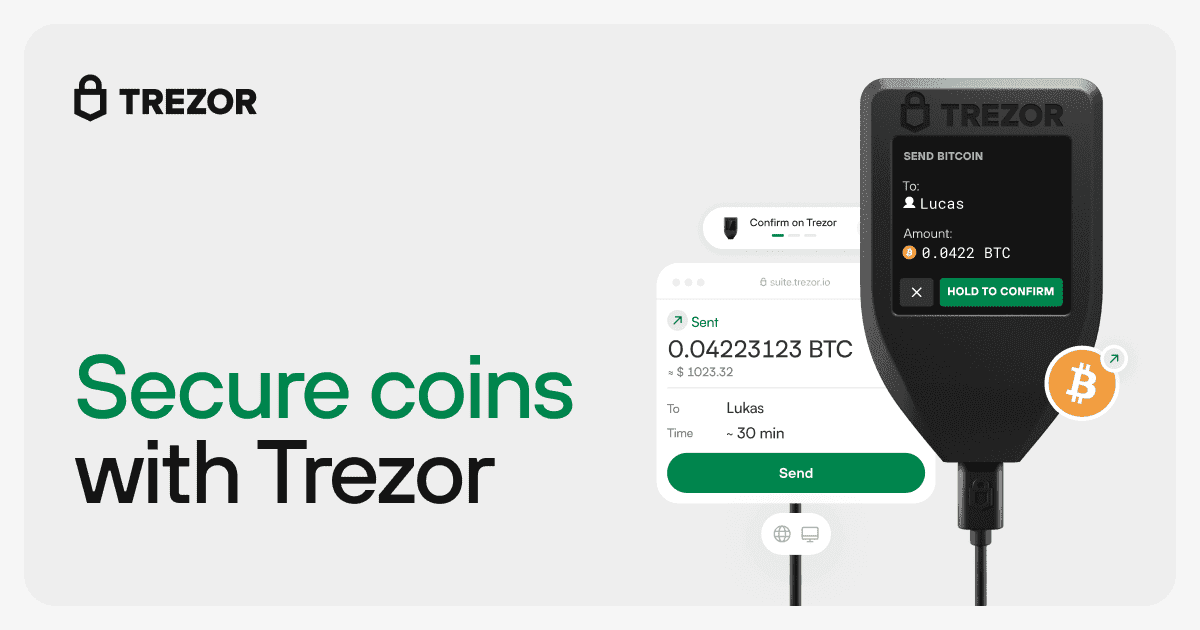
Step 9: Sending Cryptocurrency
To send funds safely:
Select the account to send from.
Enter recipient address and amount.
Verify details on Trezor Suite.
Confirm the transaction on your device.
Device verification prevents malware from altering transactions.
Step 10: Receiving Cryptocurrency
Generate a receiving address in Trezor Suite.
Verify it on the device.
Share the verified address with the sender.
Always confirm addresses on-device to avoid address modification by malicious software.
Step 11: Managing Multiple Accounts
Trezor wallets allow multiple accounts:
Create accounts per cryptocurrency (BTC, ETH, LTC, and more).
Rename accounts for better organization.
View balances and transactions in one interface.
Multi-account management simplifies portfolio tracking.
Step 12: Security Features
Trezor.io/start ensures security with multiple layers:
Offline key storage keeps private keys safe.
PIN authentication blocks unauthorized access.
Optional passphrases create hidden wallets.
Recovery seed backup guarantees restoration of funds.
These layers provide peace of mind for all users.
Step 13: Backup and Recovery
Backup is essential:
Store the 24-word recovery seed offline.
Use fireproof or waterproof storage.
It is the only method to recover the wallet if the device is lost or damaged.
Never share your recovery seed online.
Step 14: Troubleshooting Common Issues
Device not recognized: Try a different USB port or cable.
Incorrect PIN: Too many failed attempts may lock the device temporarily.
Software errors: Update Trezor Suite to the latest version.
Following official instructions prevents risks and ensures smooth operation.
Step 15: Advanced Features
Logged-in users can access:
Hidden wallets with passphrases.
Portfolio overview and analytics.
Third-party integrations for swaps, purchases, and DeFi.
Staking and yield options for supported cryptocurrencies.
Advanced features improve usability without compromising security.
Step 16: Trezor Wallet vs Exchange Wallets
Trezor wallets offer self-custody advantages:
Private keys remain offline.
Funds cannot be frozen or seized by exchanges.
Users retain full control over their assets.
Wallet activity remains private.
Trezor.io/start ensures secure access to self-custody wallets.
Step 17: Ideal Users
Trezor.io/start is suited for:
Beginners setting up their first hardware wallet.
Experienced users managing multiple accounts.
Long-term investors with large holdings.
Users seeking secure offline storage for crypto.
The portal accommodates both novice and advanced users.
Step 18: Best Practices
Always download Trezor Suite from official sources.
Verify addresses on the device before sending/receiving funds.
Use strong PINs and optional passphrases.
Store recovery seeds offline.
Avoid public or shared computers.
Following these practices ensures wallet security.
Step 19: Conclusion
Trezor.io/start is the official starting point for secure cryptocurrency management. By following its guidelines, users can:
Set up wallets safely
Protect accounts with PINs and passphrases
Access wallets through Trezor Suite or web interfaces
Send, receive, and manage multiple accounts securely